
Rubic was started with one main goal: to make everyday life easier for teams and associations. Today, Rubic is a complete membership system that lets management and administration in associations and sports clubs, coaches, membership officers, members and parents spend their time on what matters. But to tell the story, we have to go right back to the beginning.
Out with the old Excel spreadsheets
Anders Retterås from Lillehammer became team manager for his son's football team in 2013. From the previous team manager, he was handed an Excel spreadsheet with an overview of football matches and players. It quickly became a time-consuming way of working. The spreadsheet constantly had to be edited so that all the players got to play with everyone. For every change, the spreadsheet had to be saved and sent out again to all the parents by email. After that, all he could do was hope that everyone was looking at the latest version.
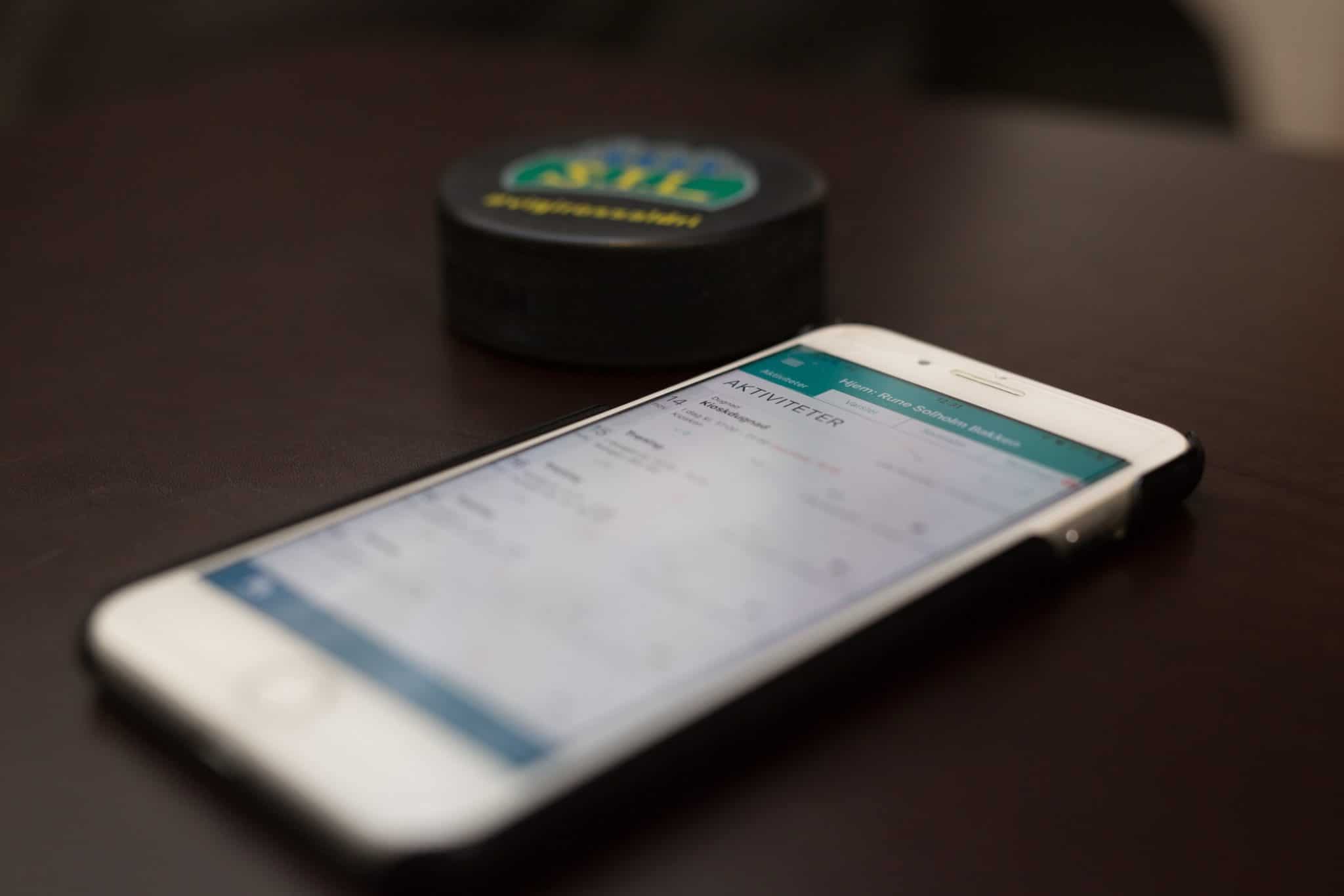
Fortunately for sport, Anders had a full-time job as a developer. His solution to the spreadsheet system that wasn't working was to create a simple website that replaced the spreadsheet. In 2013, mobile apps were on the rise, and Anders made an app. With it, all the parents could get push notifications about changes and about when they had to turn up for matches.
The beginning of LagetMitt
The app, which started as a way for his son's football team to keep track of matches and training sessions, became more and more popular. The other team managers heard about the app and wanted the same. The app was developed further so that it could handle several teams. Eventually, the club also wanted access, and new features were added.
The role of pitch allocator was the club's least popular. Most people could only face one season, as they knew the responsibility would mean emails, Excel spreadsheets and phone calls at all hours of the day and night. With few pitches and many teams, there were constant changes. This led to the popular pitch allocation feature, which made the role easier. Now parents and players could be notified of changes via push notifications on their phones.
Word of an app for sports clubs began to spread
Having been a solution just for his son's club, the LagetMitt app began to be used by more people. After a few seasons, word began to spread, and more teams and clubs in the region got in touch. Among the first to start using LagetMitt was Lillehammer Ishockeyklubb. The football clubs in the local area followed.
With more clubs on board, autumn 2015 brought many enquiries and a lot of time spent providing support. Anders wasn't making any money from the app and stood at a crossroads. Either he had to shut down LagetMitt, or go all in full-time.
A business idea for sports clubs struggling with financial management
In 2014, Rune Solholm Bakken was elsewhere in Lillehammer, developing a business idea as part of his master's studies in Innovation and Business Development at Høgskolen i Lillehammer. As an ice hockey referee in the top division and a footballer in the second division, Rune knew that there were many poor systems and many sports clubs struggling with financial management. Many struggled with basic things such as getting control of unpaid membership income.
Rune and two friends drew up a business plan and had several meetings with Skåppå kunnskapspark. The others pulled out, and Rune continued on his own and received funding from Innovasjon Norge. Avaris Consulting in Gudbrandsdalen came on board and built the first version of what would become Rubic. Innovasjon Norge required Rune to raise the same amount as he received in funding. Through various investors, Rune raised enough capital. The same investors who joined in 2015 are still on the team today.
Lillehammer Cykleklubb became customer number one, and Kvam Idrettslag became customer number two.
Shut down LagetMitt or go all in?
At the same time, Anders was at a crossroads: should he shut down LagetMitt or go all in? Rune needed a developer to build the system. It became a win-win situation: Anders could pursue his hobby full-time, and Rubic could be built from the inside. On 28 February 2016, Anders became employee number two after Rune, and Rubic bought the LagetMitt app.
The road ahead
It took two years to build Rubic. When it was finished, the system was approved by the Norwegian Confederation of Sports (NIF). After that, the volunteer work (dugnad) solution was developed, and Rubic had pilot customers such as Visit Lillehammer, Peer Gynt and Furusjøen Rundt. Through networks and contacts, Rubic gained more local customers. They won the ski and football club Lyn through a tender in which they were the clear winner.
The number of customers doubled
On 1 January 2018, Rubic was commercially on the market. By then, they had been NIF-approved for two years and had 40 customers. A little over six months later, that number had more than doubled.
Today, LagetMitt and Rubic work side by side and are fully integrated with each other. LagetMitt is first and foremost a tool for team managers and an app that gives an overview of all activities, while Rubic gives you a full overview of your member registers, and much, much more.
The first phase after launch was exciting, but things were often chaotic. Like the time Lillehammer Cykleklubb was going to send text messages to all its members, and they went out from Rune's mobile phone. 950 of the recipients were in reality no longer members, but were still on the member list from the previous system. Rune's phone didn't stop ringing for the rest of the day. Back then, Rune and Anders wondered a little what they had got themselves into, but they have learned a lot along the way, and Rubic is now well on its way to making everyday life much easier for sports clubs and associations. In short: making everyday life easier for volunteers, parents and guardians, and employees so they can focus on what matters.